What do emerging journalists (really) think of the news industry?
Student and early-career journalists feel confident in traditional skills like media law and interviewing, but they're not so confident in evolving skills like digital tools and AI
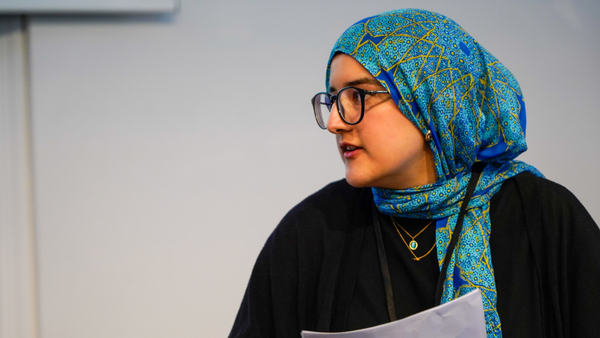
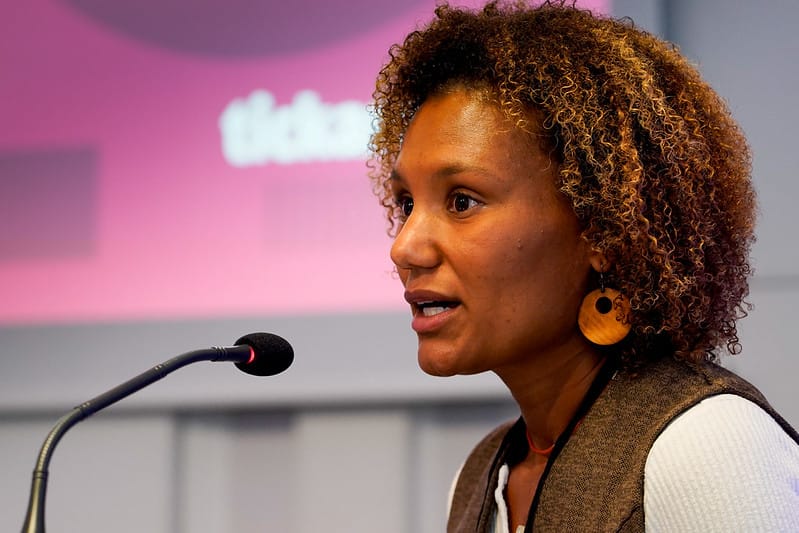
Emaan Warraich, digital journalist, BBC News, speaking at Newsrewired on 26 November 2025. Credit: Mark Hakansson / Marten Publishing
A new study has revealed a generation of journalists coming through who are eager to shake up the sector – but while their training covers traditional skills, it leaves them underprepared for the digital and technical demands of the future.
Skills gaps: Traditional strengths, digital weaknesses
At a time when newsrooms are thinking about future-proofing their newsrooms, the study provides a stark warning: new talent is hitting the job market not feeling prepared for the future.
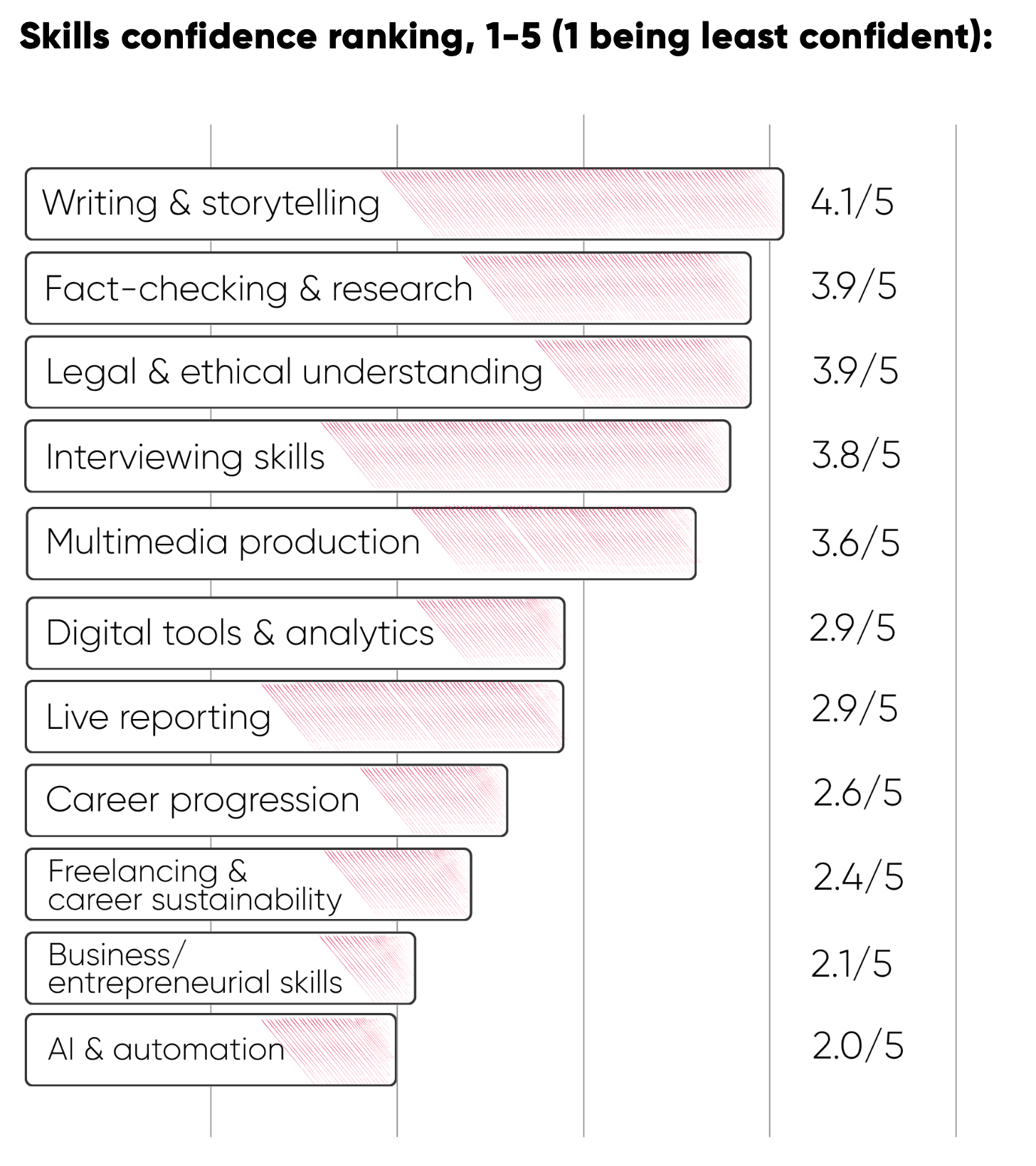
Their journalistic training (most likely university level) does a good job at drilling them in what would be considered 'traditional' and staple journalistic skills: writing and storytelling, interviewing, media law, fact-checking and researching.
But they feel less sure of emerging skillsets: digital skills and analytics, business and entrepreneurial skills, AI and automation.
It's a troubling stat when you consider two thirds (69 per cent) think the industry is "struggling and in need of reinvention", and another two thirds (63 per cent) expect short-form video to dominate news in the next decade.
Yes, multimedia production skills are quite high at present. But the new competition – content creators – are increasingly savvy not just at shooting good video and clipping up for social. They are building their own brands, refining their channels and perfecting their workflows. And emerging journalists risk lagging behind.
The study findings were discussed amongst two panellists representing modern news outlets which prioritise nurturing young talent.
Rebecca Hutson is editor-in-chief and editorial director of The News Movement, a social-first publisher trying to get news content to those who don't go seeking for it – what she calls the 'news adjacent' or 'news avoidant' – with big plans for 2026 under new investment.
"We want our content to look as little like news as possible," she explains. "But we also want to make sure we're not doing grabby, clicky, noisy stuff – and that takes a lot of discipline."
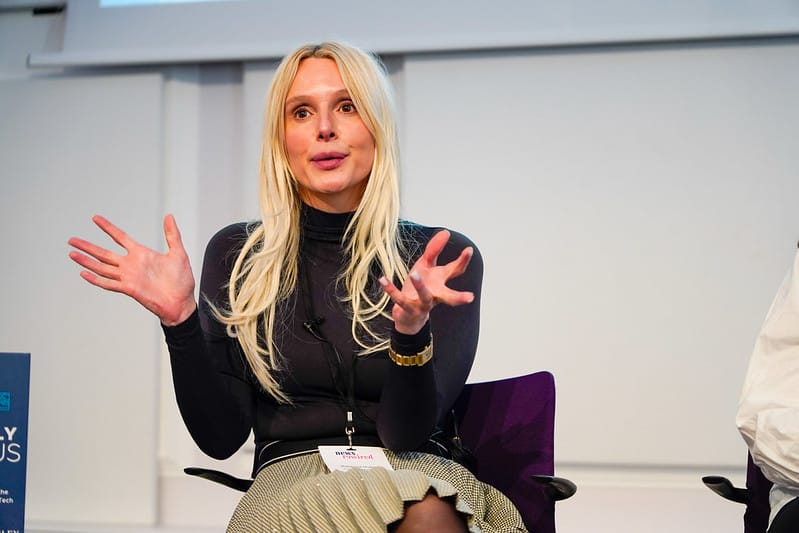
Rebecca Hutson, editor-in-chief and editorial director, The News Movement, speaking at Newsrewired on 26 November 2025. Credit: Mark Hakansson / Marten Publishing
Survey respondents were particularly pessimistic about the future of local news – just 10 per cent saw it as thriving – but Williams argued The Mill Media's model is breaking the mould with thousands of subscribers across its titles.
She warned that the skills journalists feel most prepared in have endured for a good reason: "Those traditional skills of a journalist are still so important to learn. I feel like even now students aren’t getting the chance to write properly, to tell stories properly, and I think those avenues are vanishing."
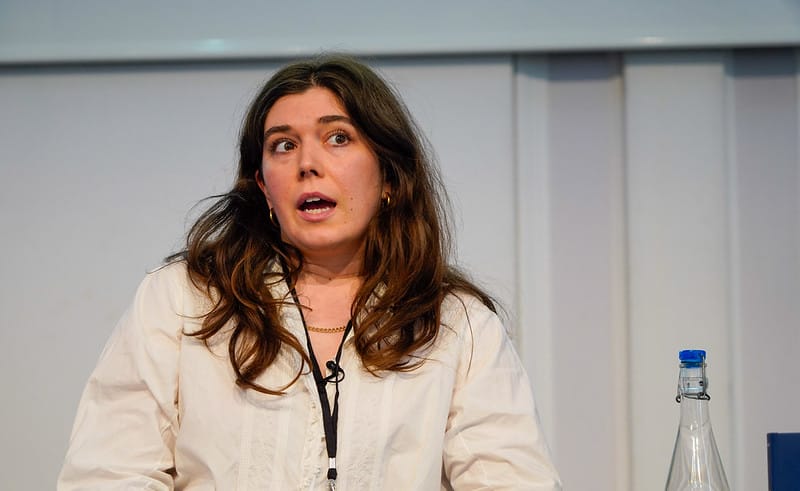
Hannah Williams, editor of The Londoner, speaking at Newsrewired on 26 November 2025. Credit: Mark Hakansson / Marten Publishing
She also cautioned that young journalists should not depend too much on AI as The Londoner and its sister titles have proved there is still a strong market for handcrafted, long-form journalism.
Survey respondents felt torn on on the future importance of AI-generated summaries (41 per cent) and subscription models (43 per cent).
Both panellists agreed they've seen the benefit of time-tested strategies like experienced editors, peer-support and mentorships. But Gen Z seems particularly grateful for unambiguous and unassuming feedback.
Keeping the flame alive
Panel moderator Emaan Warraich, a BBC News journalist active on TikTok, put this in plain terms, offering a glimpse into the conditions facing talent entering the news industry in 2025.
Warraich described joining a major newsroom straight out of school during the pandemic, feeling nervous by her first taste of a professional environment. She credited the BBC’s mentorship scheme for helping her find her footing and the effort taken to cover everything from what the editor does, to where to fetch the printing.
"Matching expectations [matters] a lot when you first get the role so you understand you're not immediately going to be on TV, making headline news and it's okay to start from the very beginning and no progress is too small."
New talent is feeling really burned out by the conditions in the industry: high competition for jobs (81 per cent), low starting wages and high costs of living (80 per cent) and lack of paid opportunities (72 per cent).
Other issues remain, with high levels of concern around trust, misinformation and representation.
But Tickaroo CEO, Naomi Owusu, summarising the report put it well: "The next generation of journalists is already shaping the future, but too often, their perspectives are missing from the conversation. By listening to their experiences and ambitions, we can help build a stronger, more resilient industry."
Naomi Owusu, CEO of Tickaroo, speaking at Newsrewired on 26 November 2025. Credit: Mark Hakansson / Marten Publishing
Tickaroo sponsored the panel discussion at Newsrewired and partnered with JournalismUK to generate responses for their report