What marathon running can teach us about coping in journalism
Long-distance running taught me lessons in endurance, pacing and self-care
– 5 min read


Long-distance running taught me lessons in endurance, pacing and self-care
This article is from our community spotlight section, written by and for our journalism community.
We want to hear about your challenges, breakthroughs and experiences. Want to contribute? Get in touch and help shape the discussion around the future of journalism.
For journalists, the past few years have brought little opportunity to rest. Our industry, its institutions and individuals are facing a protracted crisis on multiple fronts. The environment in which we are working has become more violent, more polarised and less secure.
Just last week, my colleague Phil Chetwynd wrote about how the unprecedented rise in threats against our community worldwide was casting a shadow over our ability to report factually.
From the conversations I’ve had with thousands of colleagues over the past few years, I have heard more overwhelm, burnout, moral injury than at any time in my career. We live in a world where crisis is now the new normal for journalism, so how do we cope when so much around us is unpredictable, stressful and has the potential to impact our mental health.
It doesn’t seem to matter where the journalists come from, be it Ukraine, the Middle East, the UK, the United States or Asia. People want to find ways to cope, to manage and maintain their resilience, to hear from others they're not alone, to reconnect with what it was that drew them to journalism, and be reminded of their sense of purpose.
After thinking about my conversations, my recovery from PTSD and how I’ve coped despite significant challenges in recent years, I came up with the idea of 7 Ps.
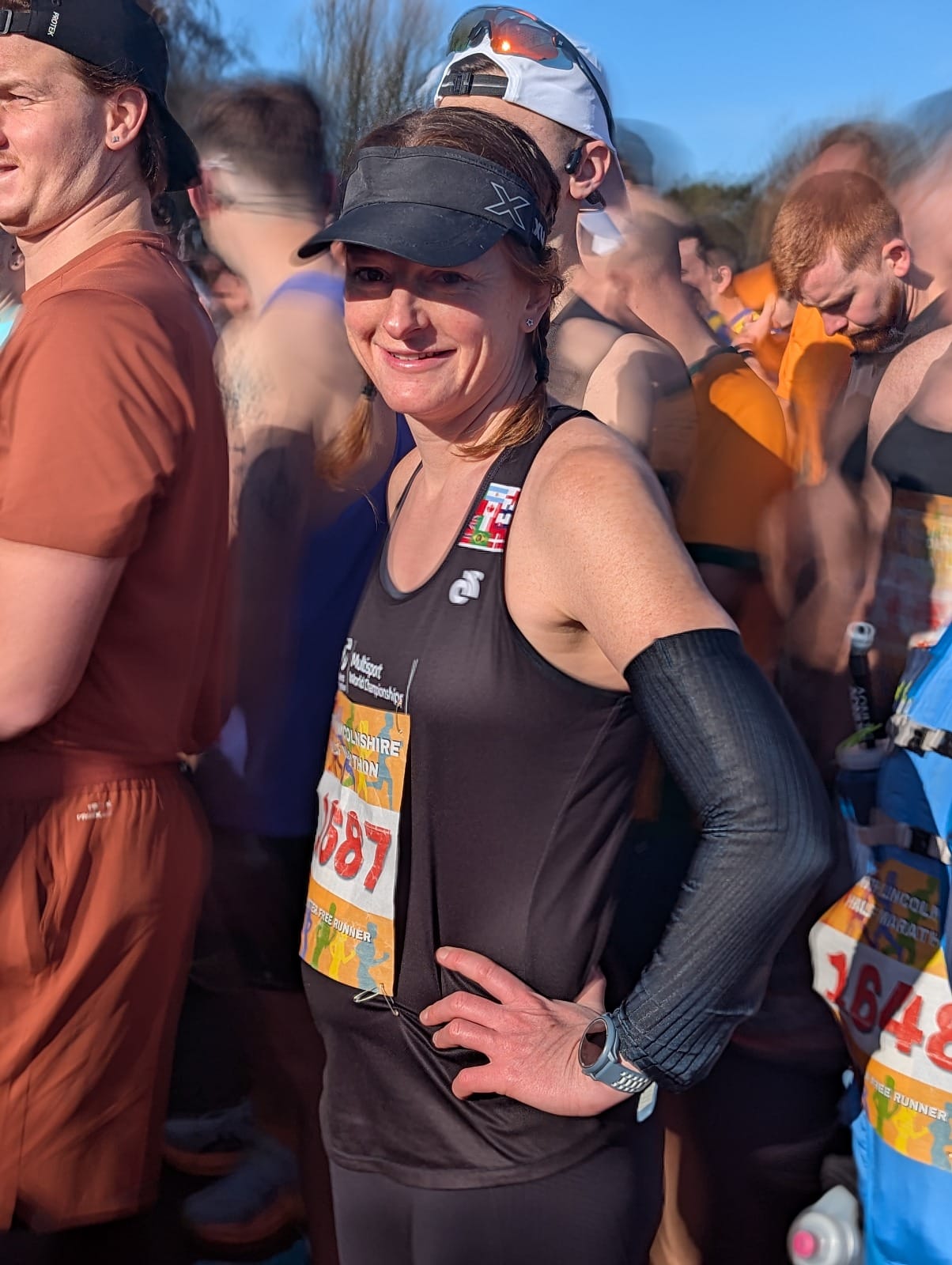
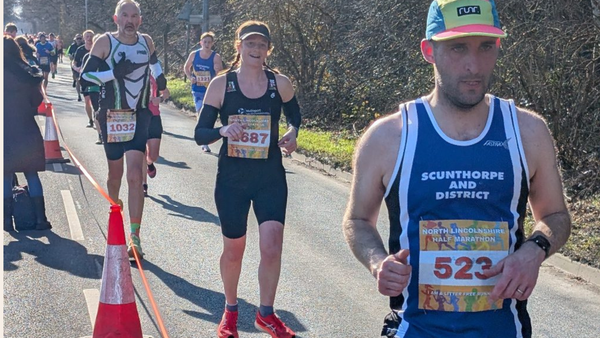
One of the things that has helped me most is running, which has led me to creating a marathon-style analogy, based around those. I’ll caveat this with the fact most people train for a marathon and, while we build up a resilience through our journalism, a crisis - by its nature - is something unexpected.
A marathon is also a finite distance (26.2 miles or 42.2 kilometres). We don’t know when these crises facing us as journalists will end. Like a marathon, they can feel endless. Like a marathon, they too will end.
The key to marathon running is preparing well. We build up our fitness, our mileage base, our resilience. We may research the route. We get suitable kit, perhaps follow a plan. We rest, take in suitable food and fuel. We consider how we might cope mentally when our body tires.
In journalism terms, we can’t plan for every story, but we can plan for most eventualities. We can assess and mitigate risks, get the right training and equipment to lessen our exposure to difficult stories. We can think about our mental health as well as our physical safety.
It’s impossible to run a marathon at the same pace you run a flat-out mile. We need to pace ourselves. We cannot fire on all cylinders all the time. Equally, in the training for a marathon, we rarely run the full distance, and don’t always run fast. Our body need to recover between training sessions and while we’re running a marathon, we may need to ease back at times.
In times of crisis, we need to pace ourselves, cut ourselves slack. We need to recognise there will be tougher periods where we can’t go full throttle because to do so is exhausting, unsustainable and risks harm.
Sometimes we need to stop and listen to what our bodies are telling us. This is as true with marathon running as journalism. As the former head of the International News Safety Institute, we used to say that no story was worth dying for. Sadly, too many of our colleagues have paid that price. I also believe no story is worth risking our health for.
We need to prioritise our own wellbeing, remember the airline analogy of putting on our oxygen mask first before we help others. Yes, this may feel selfish, but otherwise we run the risk of doing ourselves sustained damage and affecting those around us. We need to understand our limits, recognise the vulnerabilities that may come from previous injuries, and consider when we need to stop pushing through the pain.
In the course of running a marathon, I sometimes ask myself why am I doing this? There are times I hate it, feel numb, question my existence. In my work, I have seen a strong sense of purpose is central to journalists’ wellbeing.
Most of us join this profession for a reason: holding power to account, tackling injustice, because we come from places and people and perspectives that have experienced pain we want to redress. We are doing this to make a difference. That difference may be temporarily darkened by despair, but shine the torch of purpose into what we do and that is protective.
Professor Anthony Feinstein, an expert on journalists’ mental health, once suggested I consider what I could and couldn’t control, and to try to expend less energy on the latter. A running coach once advised similar. I can’t control the weather, or who else competes at marathons. I can’t control my genetics. I have little influence over being ill on race day. I can control how much I train, and how I show up on the day and choose to race.
Likewise, though we may strive as journalists to raise awareness around issues that can affect people’s behaviour, we can’t control how others act, we can’t shape the weather, and we cannot avoid change. When we accept these things, we become more resilient and flexible to stresses and crisis.
Marathon running can be a lonely business. The training and the race itself are much easier when shared. Mental ill health can be a solitary thing, with shame, guilt and depression our unwanted and persistent companions. When we find folks to walk or run alongside us, when we find people who hold a space and hear our stories, when we normalise conversations around wellbeing, we’re far more likely to do well.
It’s hard to see any light in the darkness sometimes, and running brings its own dark moments too. In journalism, I meet colleagues who feel numb, sad, fearful that there is no light at the end of the tunnel. With all the violence, intimidation, hatred and polarisation poisoning the world right now, it’s hard to see the positives. But humanity and hope exist: gratitude is a gatekeeper to this, and joy a friend.
I ask my colleagues to consider what brings them joy. It might be the return of bird song, a sunrise, coffee with a friend, a child’s laugh, a cute animal video. It might be something more concrete like the kitchen disco I have with my kids, learning how to cook or craft. It might be the fact an editor said thank you, you did a great job. We can all hope, right? What brings you joy?
Thank you for reading this community spotlight piece. These articles help shape the discussion around the future of journalism. Want to write one for us? We'd love to hear from you