WikiLeaks suspends publishing 'to ensure future survival'
Founder Julian Assange also claims newspapers which published US cables could be 'on the verge of having their readers and advertiser payments blocked'
– 2 min read


Founder Julian Assange also claims newspapers which published US cables could be 'on the verge of having their readers and advertiser payments blocked'
This article was migrated from an old version of our website in 2025. As a result, it might have some low-quality images or non-functioning links - if there's any issues you'd like to see fixed, get in touch with us at info@journalism.co.uk.
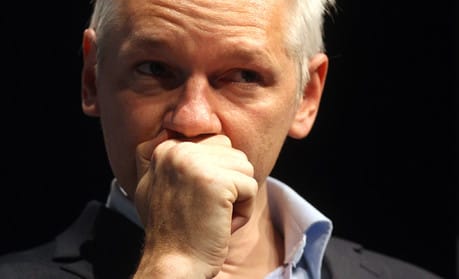
WikiLeaks will temporarily suspend all publishing activities to "ensure future survival", its founder Julian Assange said today, as he claimed a financial blockade on the site had "destroyed" 95 per cent of its revenue. Financial institutions including Mastercard, Visa and the Bank of America all withdrew service from WikiLeaks in December last year, after the site started to publish US embassy cables. Speaking at the Frontline Club today Assange said as a result "WikiLeaks has been running on cash reserves for the last 11 months." He said this had cost the site "tens of millions of dollars in lost donations" and later added that
if the
blockade is not taken down by the end of the year the organisation cannot continue in its work.
"Our scarce resources must now be used to fight the financial blockade." He added that "the implications go far beyond WikiLeaks". "If publishing the truth about war is enough to warrant such action, all newspapers who have published WikiLeaks cables are on the verge of having their readers and advertiser payments blocked entirely." He said the blockade "erects a wall between us and our supporters" and as a result publishing would pause to focus on fundraising. "In order to ensure future survival we are now forced to temporarily suspend all publishing operations in order to direct all our resources into fighting the blockade and raising funds. "... Although we're an extremely efficient media organisation by world standards, we can't do it with no revenue at all. Fortunately we have been in a position to survive on cash reserves for almost a year."
Assange told press at the Frontline Club in October last year, that WikiLeaks had to close its submission system while it dealt with the amount of material it had accumulated. He also said at the time the site was facing "serious" financial threats.
Today Assange announced that WikiLeaks will launch a "new generation submission system" on November
28.
One of the most recent high-profile publications by WikiLeaks
was that of
almost 800 secret documents from US military prison Guantánamo Bay in April. In September
the group also decided to make the full cache of 251,000 secret US embassy cables available through its website, despite the cables not having undergone any redaction. The decision was taken after it emerged that the cables were made available through filesharing network BitTorrent.