WikiLeaks to release more files despite Pentagon warnings
Director Julian Assange says that the remaining unpublished reports are undergoing a 'very expensive, very time-consuming harm minimisation process'
– 2 min read


Director Julian Assange says that the remaining unpublished reports are undergoing a 'very expensive, very time-consuming harm minimisation process'
This article was migrated from an old version of our website in 2025. As a result, it might have some low-quality images or non-functioning links - if there's any issues you'd like to see fixed, get in touch with us at info@journalism.co.uk.
There used to be something here that couldn't be migrated - please contact us at info@journalism.co.uk if you'd like to see this updated!
WIkiLeak's director Julian Assange says the organisation is halfway through processing the remaining 15,000 military documents and will be releasing them, despite being warned by the Pentagon.
These are the remaining documents from a leak of 92,000 , of which some 75,000 have so far been published in an archive on the whistleblower's site.
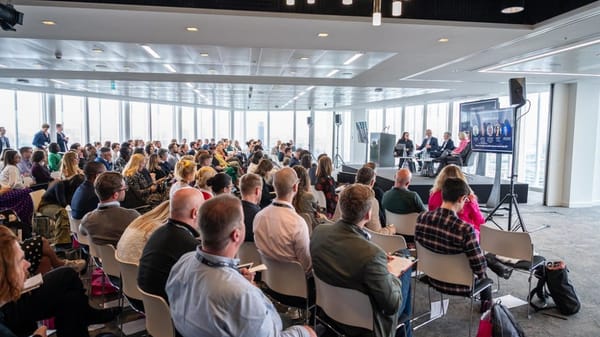
Speaking via video-link at the Frontline Club last night, Assange said that despite criticisms by US officials WikiLeaks is continuing to process the remaining documents in preparation for their release.
"We're about 7,000 reports in," he told the audience, adding that the process of "harm minimisation" to ensure the details of Afghan informants are protected is "very expensive" and "very time consuming".
"Every time we take on big organisations they try and find various ways to criticise and there may actually be some legitmate criticism in this case," he said. "But we did try hard to keep back some material where it was most probable that people would be named.
"So far there has been no assistance despite repeated requests from the White House or the Pentagon or in fact any of the free press organisations that we partnered with for this material. They decided to not take responsibility for actually getting the raw data out to the public, that appears to our role, rather than just giving out the cherries."
He added that the remaining documents would "absolutely" be published, although it remains unknown whether this will be through WikiLeaks' 'media partners', which Journalism.co.uk revealed last week already have access to the documents, or directly on the WikiLeaks website.
According to a report by the Associated Press , the Pentagon has since warned that the publication of the remaining documents "would be more damaging to security and risk more lives than the organization's initial release".
In a quote, Defence Department spokesman Col. David Lapan said WikiLeaks will not be able to ensure the safety of informants.
"They don't have the expertise to determine what might be too sensitive to publish," he said in the report.
It is understood that US authorities have a team of more than a hundred analysts looking through the leaked material.
Also speaking at the Frontline Club event, freedom of information campaigner and journalist Heather Brooke spoke about the importance for journalists to have access to such data and understand the importance of it.
"This has made journalists think about what their role is. Is it to entertain? Is to to inform? Or is to produce some sort of verification We're given an official version of events and what the journalist is meant to do is go beyond and check increasingly using raw data to see if that official's version of events actually matched up with reality."
She added that reporters who cannot deal with data in today's media landscape are "weak journalists".
Fellow panel member and media lawyer Mark Stephens said the events provided a "new challenge to the traditional forms of journalism" and the "passive" consumption of media.
"WikiLeaks is making a mockery of the law," he said in his closing remarks. "What it is doing is signposting this move away from the traditional media (...) We are now interacting with the media much more. It allows us to actually go out and search and Google."
.
There used to be something here that couldn't be migrated - please contact us at info@journalism.co.uk if you'd like to see this updated!