This article was migrated from an old version of our website in 2025. As a result, it might have some low-quality images or non-functioning links - if there's any issues you'd like to see fixed, get in touch with us at info@journalism.co.uk.
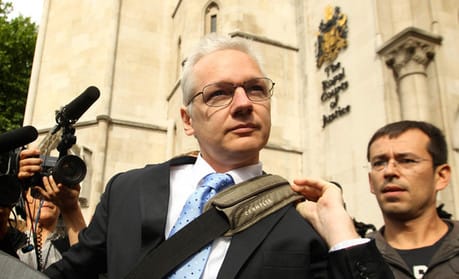
Australian authorities are not planning to prosecute WikiLeaks founder Julian Assange over last week's publication of 251,000 unredacted US embassy cables , as reports had previously suggested.
The cables were published by WikiLeaks after a security breach left them available online alongside the password to unencrypt them. According to Australia's attorney general
Robert McCelland
, the unredacted cables identified at least one Australian Intelligence Security Organisation officer, which is against Australian law.
"ASIO and other Government agencies officers are working through the material to see the extent of the impact on Australian interests," said McCelland last week, adding that WikiLeaks' publication of the documents was "extremely concerning".
But despite reports to the contrary, the McClelland's office said yesterday that it was not planning to prosecute Assange in his home country.
"
At this stage we are not planning on launching any further investigations," a spokesman told AFP.
Australian authorities first launched an investigation against Assange in November last year following the initial publications of the leaked embassy cables. McCelland said at the time that "potentially a number of criminal laws" had been broken, but the investigation concluded that WikiLeaks had not broken any laws within Australian jurisdiction.
Assange hit back at McClelland last week over his criticisms of WikiLeaks, telling Australia's ABC network:
“Robert McClelland bemoans having his department being publicly caught out ratting out 23 Australians to the US embassy without due process.
"If Mr McClelland is unhappy about being caught out, perhaps he should consider cancelling my Australian passport again.
"It has not, after all, proven terribly useful to me the last 267 days of my detention without charge. Or, perhaps he could do us all a favour, cancel his own passport and deport himself?"
Assange is currently fighting extradition to Sweden over allegations of sexual assault. He is under house arrest at Ellingham Hall in Norfolk while he awaits the outcome of the case.
He also faces a potential prosecution in the US, where a grand jury is deliberating over whether should be charged over the publication of the embassy cables, alleged to have been leaked by former US Army intelligence officer Bradley Manning. Manning is currently in US custody facing charges over the alleged leak.