How The New Humanitarian takes their journalism from the page to the stage
It turns out that human stories and interactive theatre go hand-in-hand
– 5 min read


It turns out that human stories and interactive theatre go hand-in-hand
This article is from our community spotlight section, written by and for our journalism community.
We want to hear about your challenges, breakthroughs and experiences. Want to contribute? Get in touch and help shape the discussion around the future of journalism.
Early next month, The Lebanon Displacement Diaries – a participatory journalism project we produced together at The New Humanitarian – will head to the stage in Beirut, where actors will voice the stories of people forced to flee their homes during Israel’s bombardment of Lebanon last year, and the audience will be able to share their own stories too.
It’s an exciting new move for the project, which was first published six months after the November 2024 Israel-Hezbollah ceasefire and shares the stories of 10 of the approximately one million people in Lebanon who were displaced over a year of war.
But it also feels like the natural next step in a journalistic practice that was designed to be a collaboration with Lebanese communities, and to acknowledge that when a war technically ends – or when a piece of reporting is published – the story isn’t over.
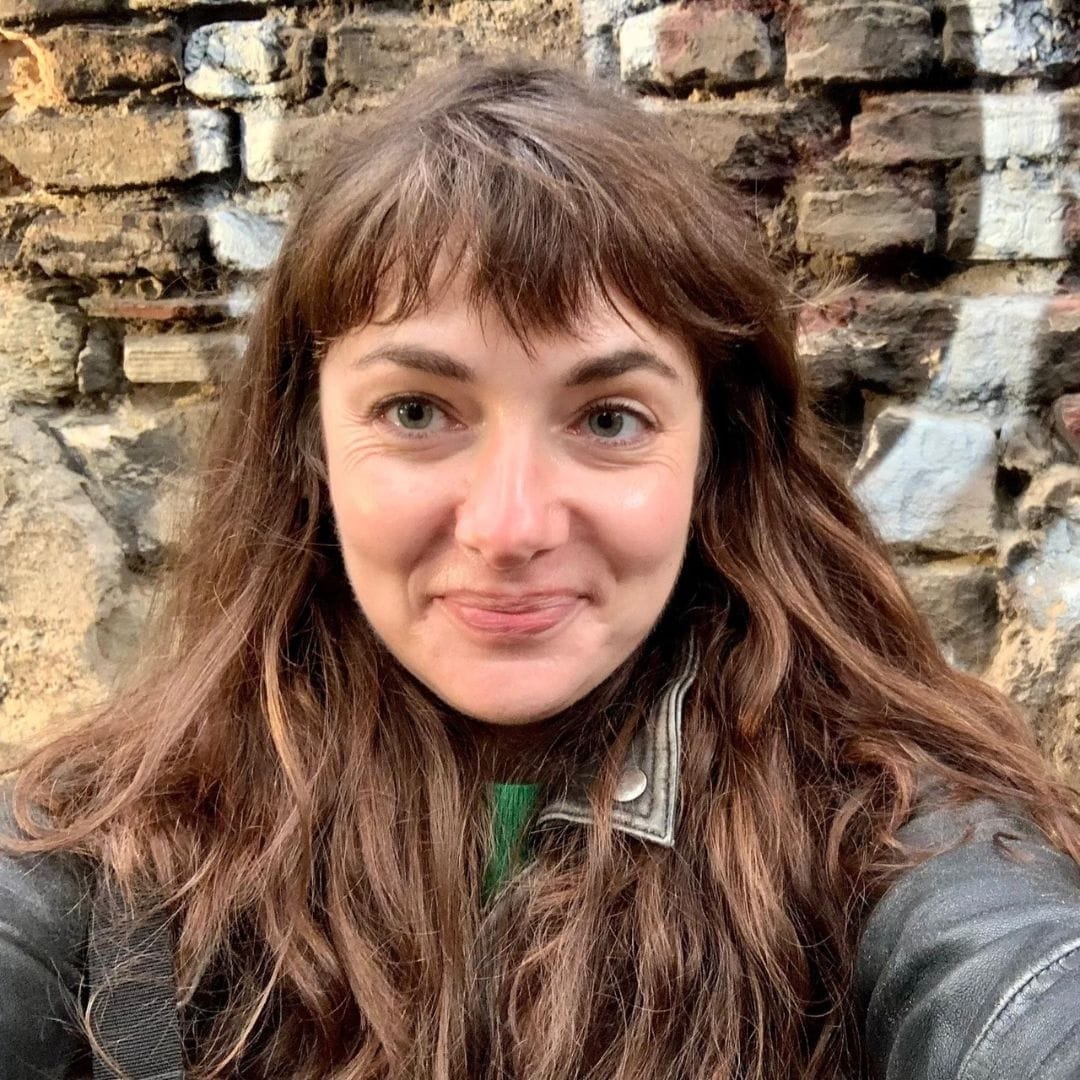
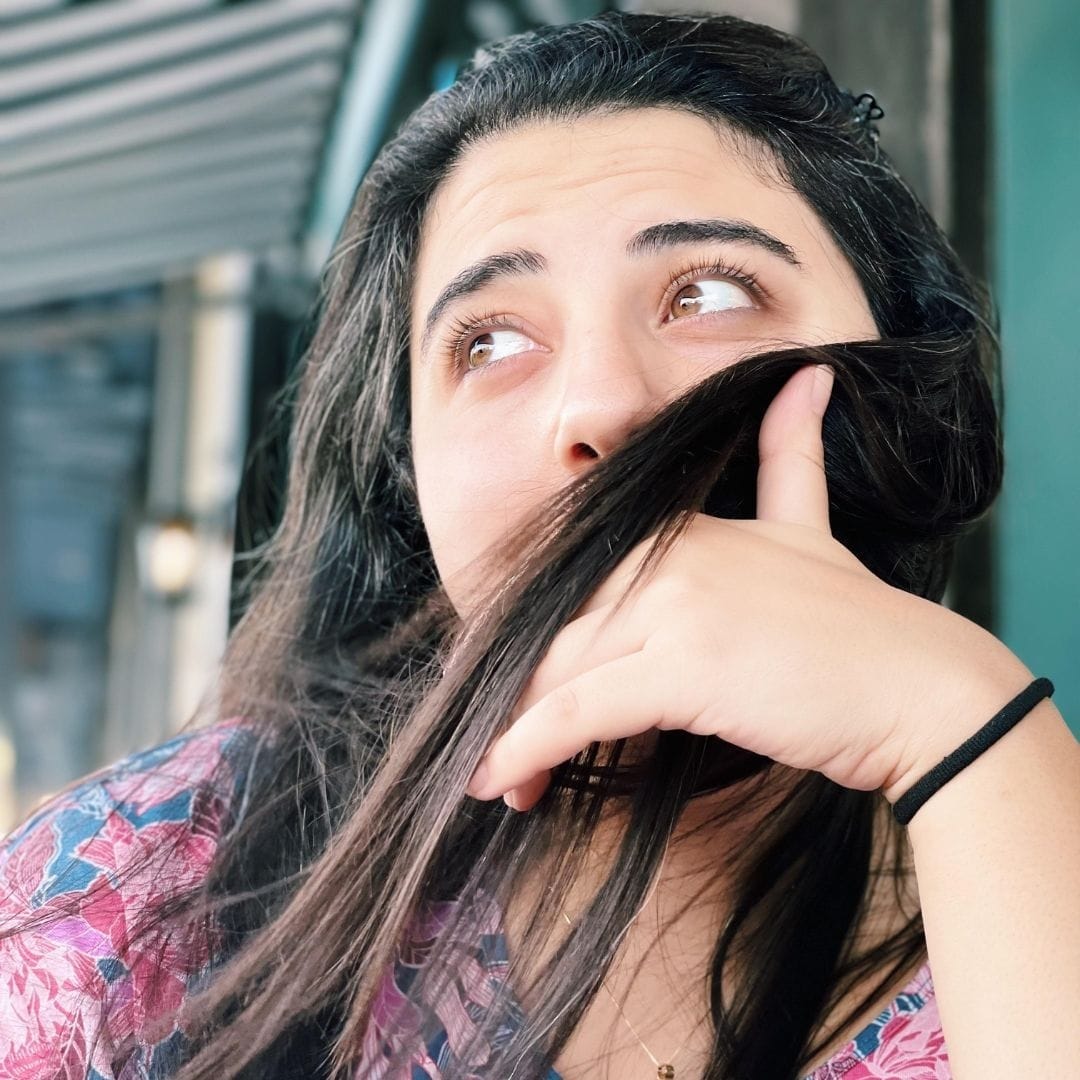
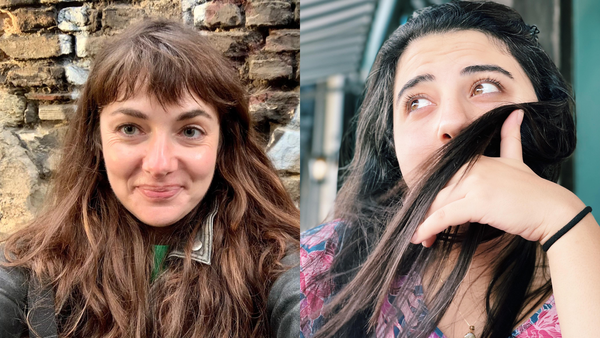
From the outset, our thinking about this project was coloured by the fact that Zainab’s (Chamoun, co-ordinator, right) family had to flee their south Lebanon home in September 2024, and the two of us were in near-constant contact during bombings, as she slept in overcrowded rooms and longed to return home and retrieve her beloved cat, despite the danger.
She wrote about that time in a piece for The New Humanitarian, and about the fact that displacement is more than just a technical term or a statistic, even when the numbers are startling: Some 82,000 people in Lebanon still can’t go home. The truth is that displacement is an all-encompassing emotional and physical event that impacts every part of a person’s life, and understanding that – which can really only come through lived experience – was an important backbone of how we collected and published these stories.
How do you even start to translate such a complex life experience onto the page? As we learned, it’s complicated. While a ceasefire was already in place when we began the project, Israel was still regularly bombing Lebanon (as is the case today), and we wanted to be sensitive to the fact that many people were dealing with various forms of ongoing trauma. That’s why we consulted a Lebanese therapist to work with us on a trauma-informed way of approaching the interviews.
We built a set of guidelines that made sure consent was truly informed. Participants could select where and when the interviews would take place. They were warned in advance that their stories would be cut down and translated into English, but also that they would have the opportunity to review the cuts to make sure they were not mischaracterised.
For the most part, these conversations were conducted in participants’ own first languages and with people – either Zainab or Lebanese journalist Ghadir Hammadi – who both spoke their language and had also experienced displacement. These commonalities can make a big difference in terms of the psychological toll of telling and hearing these stories, for both the journalists and the interviewees.
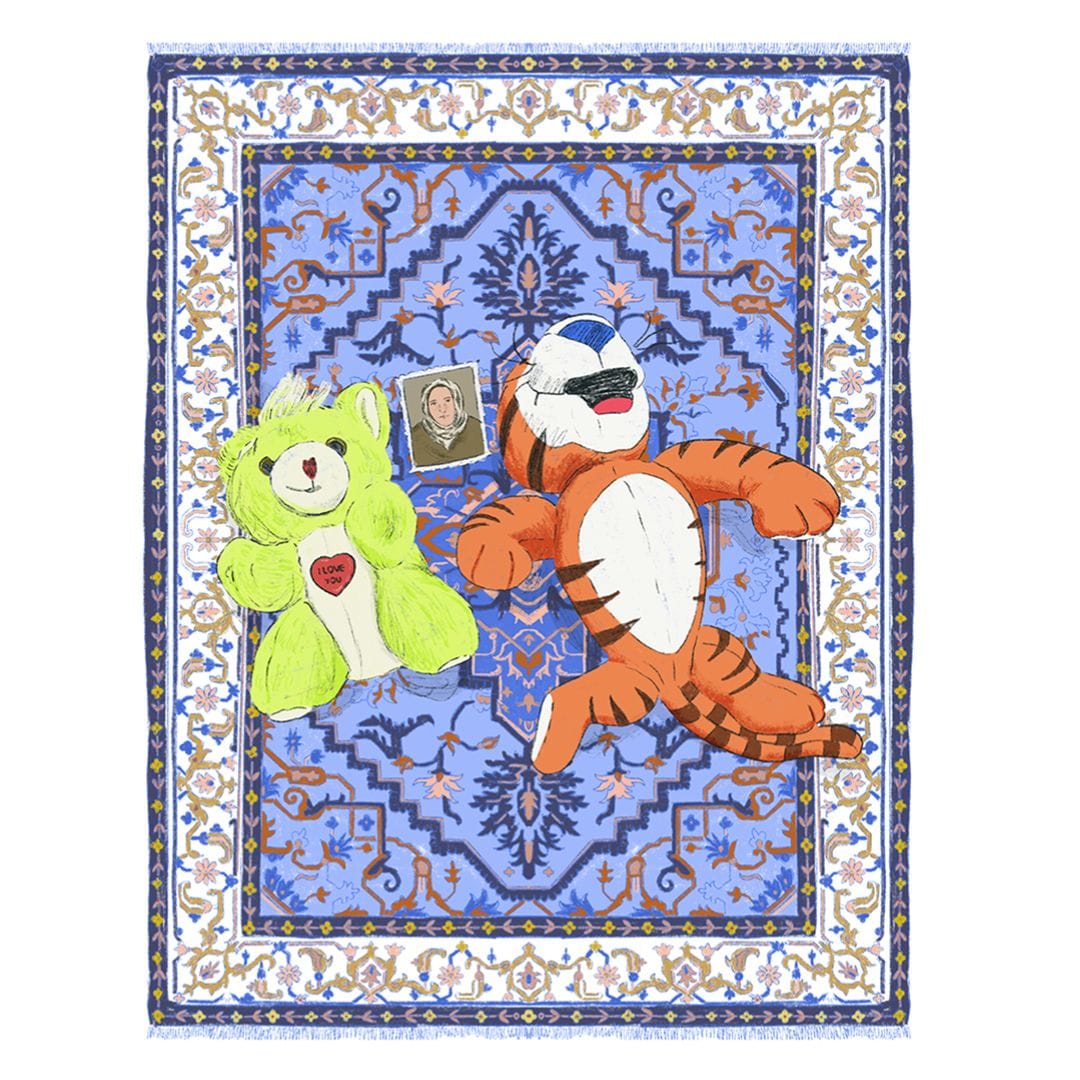
Crucially, the project’s translator Najat Keaik is also Lebanese, which meant she understood the importance of various dialects and regional turns of phrase. The Lebanese illustrator, Sasha Haddad, created illustrations for the project of items that were drawn from the conversations, and chosen by the participants themselves. They mostly show things they took with them when they were displaced, but in some cases they are of treasured places or memories.