Journalists should have reported McBride affair earlier, says Iain Dale
Guido Fawkes' role not affected by relationship with MPs, says Dale
– 2 min read


Guido Fawkes' role not affected by relationship with MPs, says Dale
This article was migrated from an old version of our website in 2025. As a result, it might have some low-quality images or non-functioning links - if there's any issues you'd like to see fixed, get in touch with us at info@journalism.co.uk.
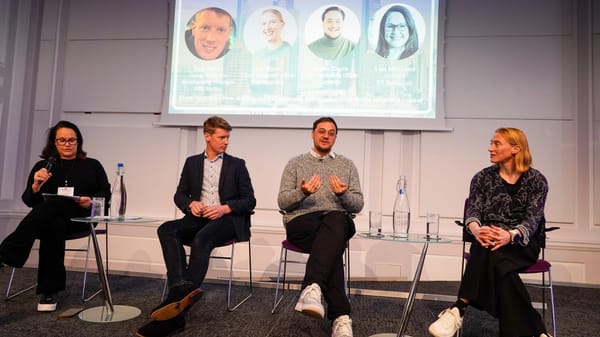
Journalists should have reported the Damien McBride affair earlier, political blogger Iain Dale , told an industry gathering yesterday.
The system where journalists have close relationships with spin doctors has to end, added Dale, citing the case of former Prime Minister's aide McBride, whose emails containing unfounded rumours about Conservative politicians were exposed by blogger Paul Staines, better known as Guido Fawkes.
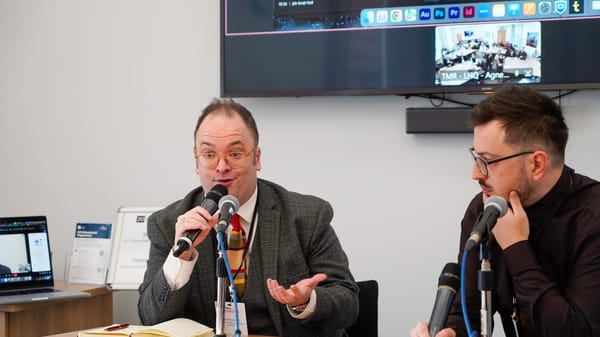
" Paul's blog is important in setting this - he has no interest in relationships with MPs," Dale told an audience at the Foreign Press Association.
Dale said he had no doubt that Derek Draper's planned, anti-Conservative gossip site, Red Rag, would have gone live had Staines not broken the story: "It would have only lasted a matter of days though."
Online media, in particular blogs and newsgathering using mobile, is breaking down traditional news models, panellists at the event agreed.
"It is now possible for anyone to get a scoop," said Staines.
"Citizen journalism is tremendously exciting. Ten years ago, these people had no influence and now, since they have got mobile phones or digital cameras, they are empowered," added Dale,
But, while new media is changing traditional newsgathering and publishing processes, there remains the issue of making money from blogging, said Dale.
"The news hasn't quite cottoned on to them yet and advertisers are nervous about them," said Dale, who claimed his site attracts more traffic than The Spectator's website.
"There is a lot more comment around [on blogs] than newsgathering, as it's cheaper. News gathering takes time too," said Staines, who ran his blog for free for the first four years.
According to Dale, there is not yet an established economic model to make a living out of blogging, but there soon will be: "I think we are at the stage where five or six blogs in the UK could make a living."
The panel was asked how readers are expected to know if stories written on low cost blogs are true.
"If I find out that a story is wrong I will hold my hands up. If people don't trust me then they won't read my blog, so I care about what I write," said Dale.
Staines agreed: "People trust your brand, and you have a reputation. I am a lot more careful now when I get a story. I've done 6,000 stories now, and which are wrong? They are few and far between."
Dale admitted he had been been threatened on three occasions for things written on his site: "It has all been resolved now though. I have no doubt that it will happen again at some point."