Leadership wisdom from Perugia: How to own your sh*t and get sh*t done
Keep finding it impossible to get newsroom projects off the ground? Get to the root cause with these expert insights and hacks

– 6 min read


Keep finding it impossible to get newsroom projects off the ground? Get to the root cause with these expert insights and hacks
A one-minute read, every weekday. Unsubscribe anytime.
No spam. Unsubscribe anytime.
We've all been there. The exciting project that we can't make time for or can't get off the ground. Why do so many promising newsroom ideas stall, and what does it take for leaders to stop the rut?
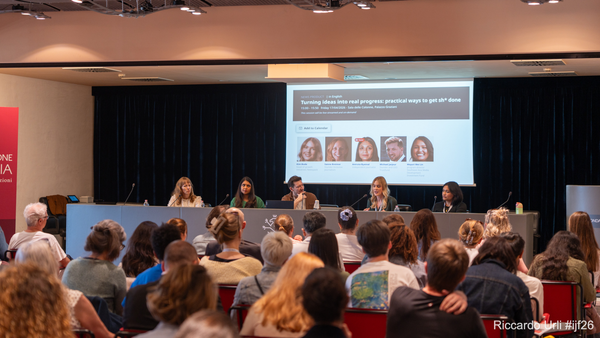
A couple of sessions at the International Journalism Festival aimed to answer these questions.
Firstly, Felicitas Carrique (News Product Alliance), Michaël Jarjour (Trustfund), Lucy Küng (RISJ), and moderator Anita Zielina (Better Leaders Lab) first dissected why projects often die at the first hurdle.
 Felicitas Carrique executive director News Product Alliance (via video)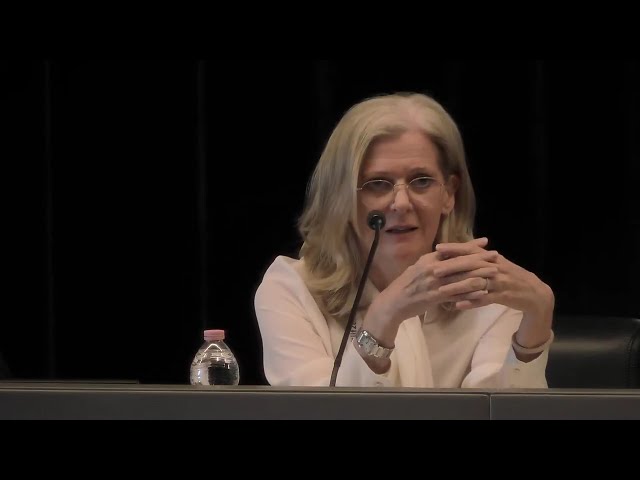
Jarjour then led another session with Mayuri Mei Lin (MDIF), Kim Bode (Newspack), Sanne Breimer (Inclusive Journalism) and Amruta Byatnal (independent journalist) about the remedy, and their best hacks for getting projects into first gear.
Kim Bode head of growth initiatives Newspack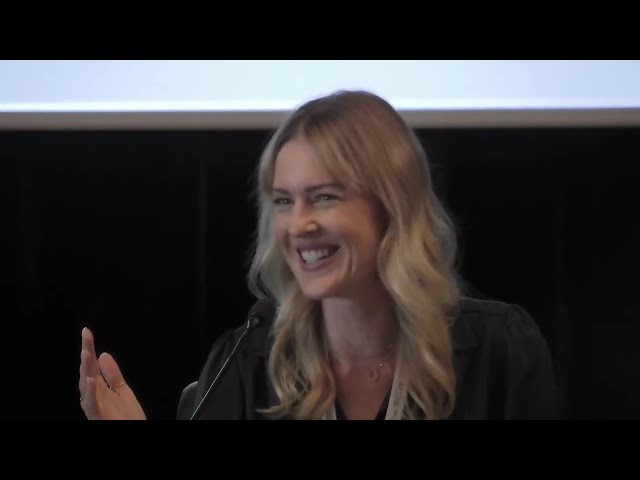
Here's what we learned:
Lucy Küng, a renowned media strategist and board advisor, offered a candid diagnosis of why strategy so often fails to translate into impact.
"You will get the work done, you will deliver, you will do what's on the list, but there'll be no combining of things in an interesting way or breakthrough thinking. And that's essentially a lot of where the industry's got to."
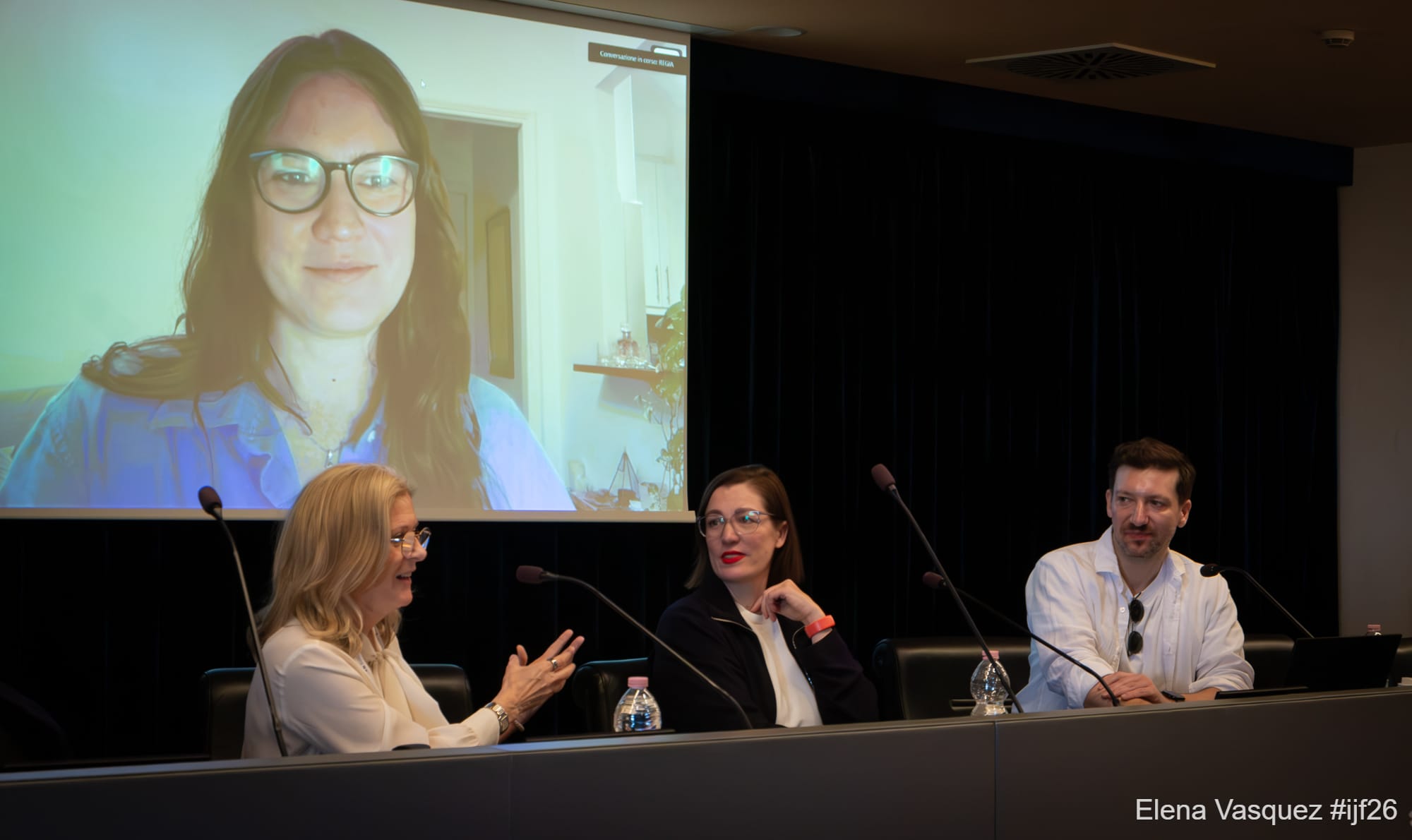
Felicitas Carrique drew on her work with getting global newsrooms to take action. She pinpointed persistent knowledge and process gaps that undermine execution:
"Ownership is assumed as opposed to explicitly assigned, so nothing is actually anyone's problem."
Meanwhile, Michaël Jarjour, a product leader turned founder, focused on the human and structural barriers to execution — from empowering teams to create the conditions for them to have pride in their work. This is far from a given.
"I have never seen a journalism company led by a team. It's usually one big star, like the editor-in-chief or a CEO. But a cross-functional team that is visibly cross-functional, visibly works together, and models how stuff is owned across functions – I would wish for that because a lot of that can trickle down. That's how you want your teams to work as well."
Mayuri Mei Lin shared a practical three-step framework for turning ideas into action in resource-strapped newsrooms.
Discovery: Begin by surfacing gaps and understanding the real motivations behind a project. Interrogate problems deeply, ask questions like an investigative journalist to uncover what’s truly needed, not just what’s trendy.
Goal setting: Once the problem is clear, set specific, ideally quantitative, goals to guide your efforts and measure progress.
Celebrate wins: Recognise and celebrate small victories along the way, no matter how incremental, to build morale and keep momentum. Check-ins are also worthwhile.
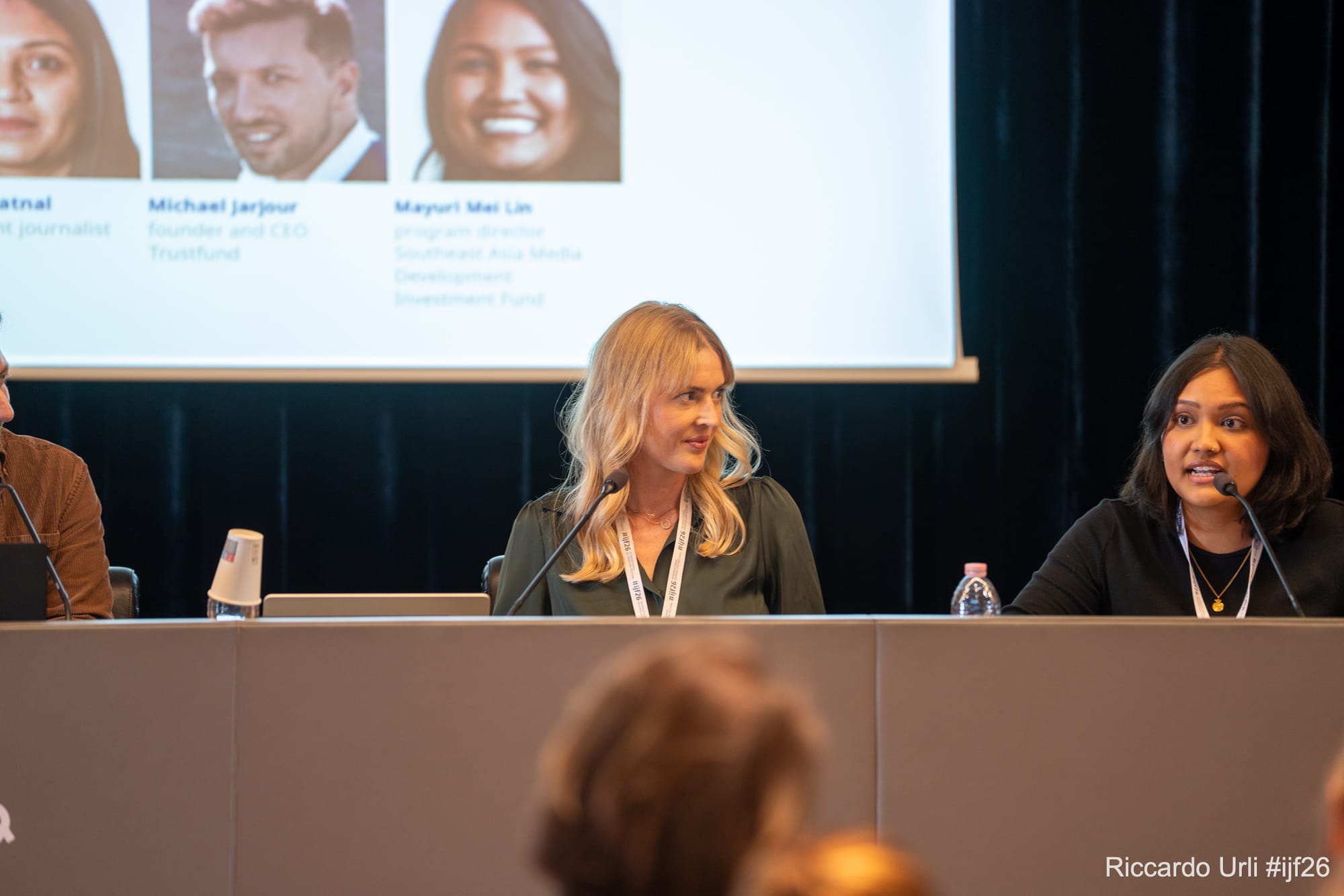
Kim Bode introduced the Goal-getter resource — a simple but powerful framework for mapping projects, their urgency and their lifespan.

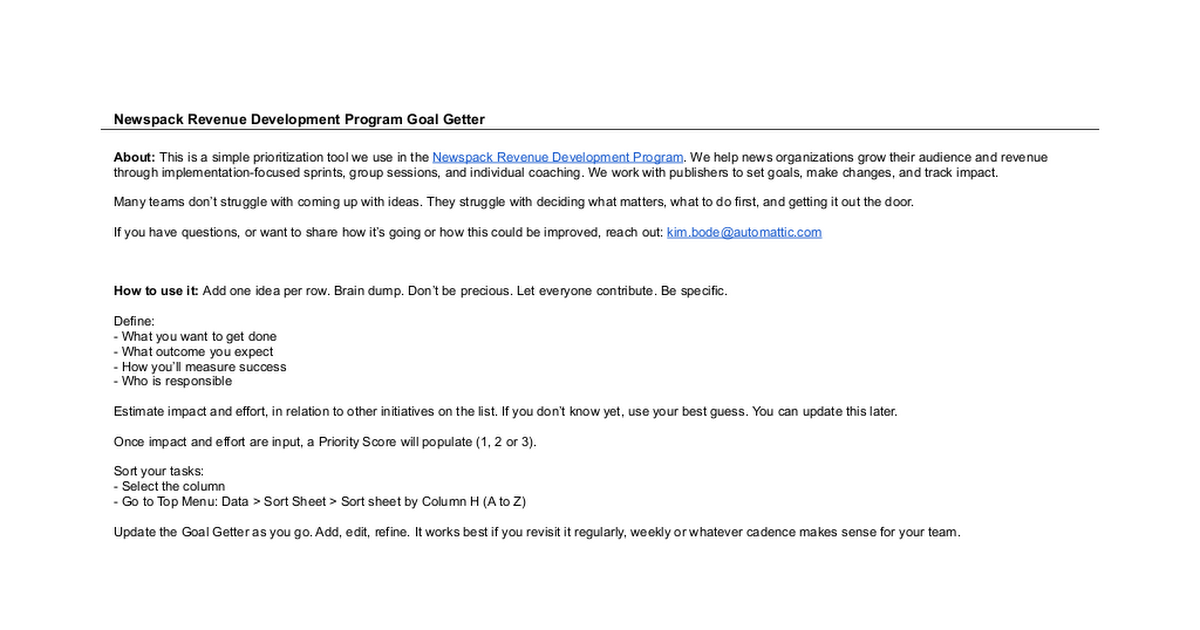
Brain dump and triage: Teams list all their ideas and fill out the columns. The result is a living document that helps teams focus on high-impact, low-effort wins and avoid being overwhelmed by too many initiatives at once.
Jarjour put it best: "This provides clarity, and clarity is always at the heart of action"
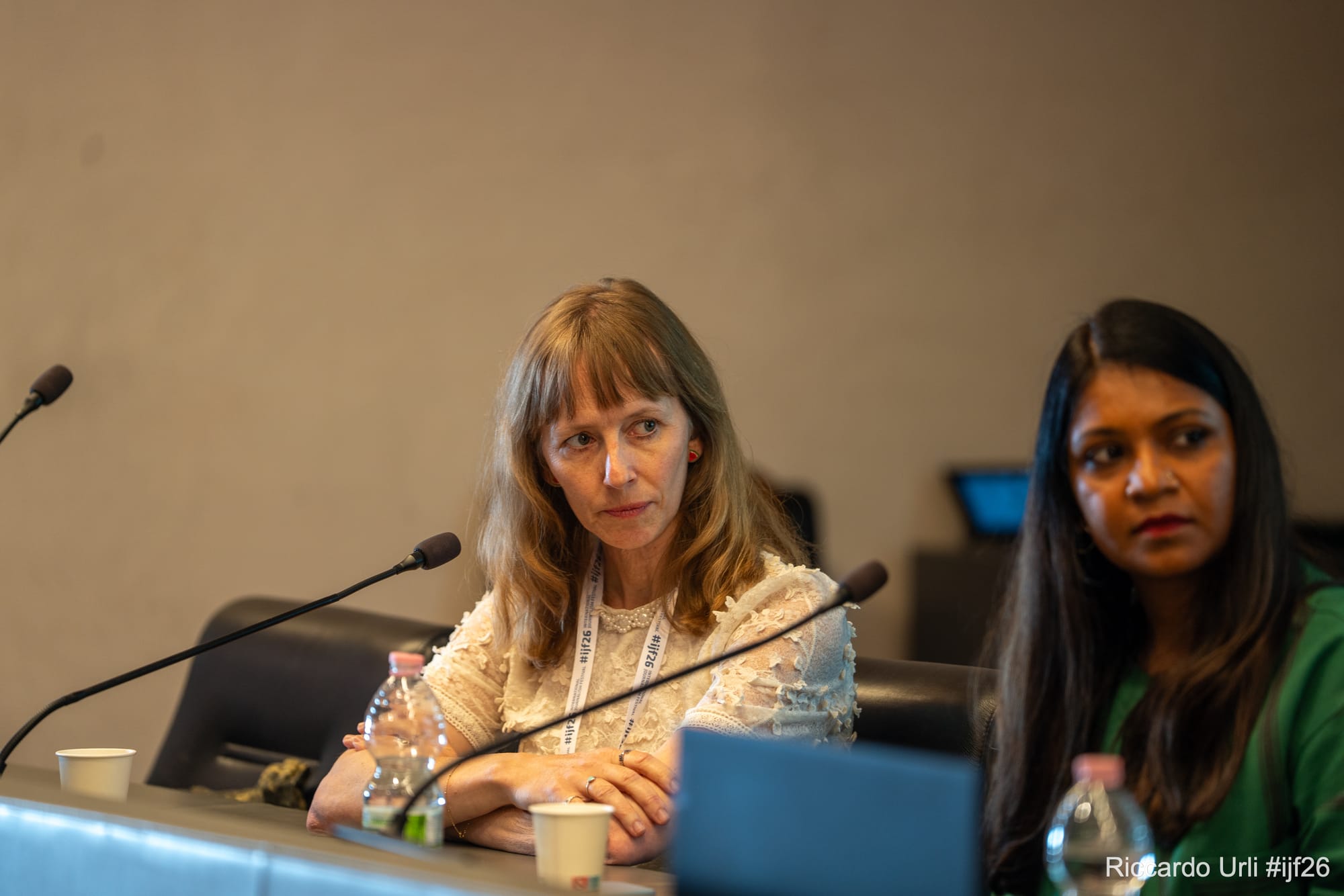
Sanne Breimer, founder of Inclusive Journalism and Cracks Magazine, cautioned that leaders themselves can be the bottleneck to progress.
Find the right moment and the right advocates
In a world of shiny objects, it can be tempting to chase the next big thing. Independent journalist, Amruta Byatnal, stressed that sometimes, a launching a product comes down to timing and support.
This article was produced with the help of an AI assistant with lots of human prompting and editing. It was then edited by another human.