How journalism is finally confronting its mental health crisis
A photographer's month in a Lebanese jail, a veteran reporter's refusal to cover a child killing, and CNN's chief correspondent's plea for honesty - the media industry is addressing the psychological toll of storytelling
This article was migrated from an old version of our website in 2025. As a result, it might have some low-quality images or non-functioning links - if there's any issues you'd like to see fixed, get in touch with us at info@journalism.co.uk.
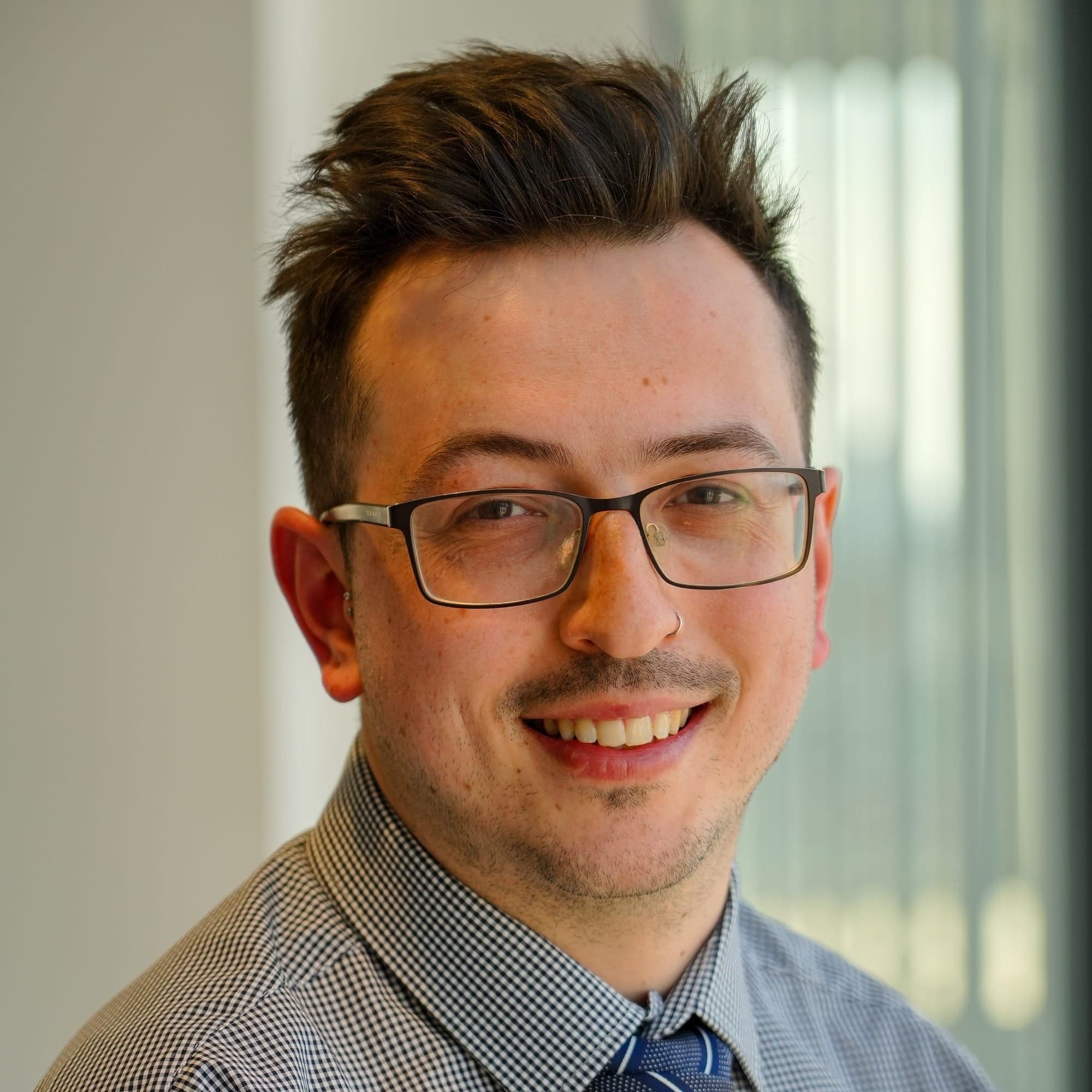
"I was 23 and felt invincible," reflects James Bessant Davies. "And then this came around".
The photographer and filmmaker was speaking at the recent Mediastrong symposium (2 July 2025) about being on an assignment in Beirut working for a charity, before he was bundled into the back of a pick-up truck.
He was held in a prison cell with around 40 Syrian refugees - including children - caught up in a Lebanese state crackdown designed to deter refugees coming over the border.
The jail conditions were deplorable, as he details in depth forThe Spectator. Stripped prisoners in 40C heat, not enough food and beds to go around, ventilation available but deliberately not used. Most had no legitimate reason to be there.
His British passport allowed him to get out in about a month. But many had been there for much longer and it is those he left behind that left the biggest mark on him. He remembers touching back on British soil and the reality setting in on the motorway home.
"I got out and others did not," he puts it bluntly. He identifies the longer-lasting impact not as classic PTSD, but moral injury - a psychological distress stemming from committing, or being unable to prevent, actions that violate their moral code. It is common amongst war correspondents in conflict zones.
Bessant Davies ultimately accessed trauma therapy and sensory processing through the combined efforts of the MediaStrong partner organisations, The John Schofield Trust, Safely Held Spaces and The Rory Peck Trust, and that has helped him return to the field.
Hostile environments
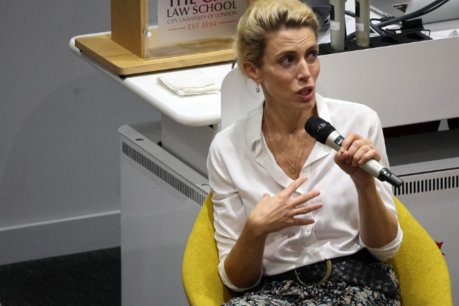
Even the most experienced journalists working in conflict zones report the mental health challenges of the job. One of the most established reporters - CNN’s chief international correspondent Clarissa Ward - has two decades of experience on the frontlines in Syria, Iraq, Afghanistan, Egypt, Gaza and Ukraine.
Ward didn't just speak about the frontlines; she also spotlighted emotional tensions closer to home.
She challenged the culture of silence that persists in the newsroom, where unspoken conflicts and emotional strain can quietly erode team morale and personal resilience.
We have wars going on within newsrooms that we're not talking about. - Clarissa Ward, chief international correspondent, CNN
Her words underscore the urgency of building not just trauma-informed reporting practices, but also emotionally intelligent newsroom cultures; spaces where honesty, vulnerability, and care are not just permitted, but expected.
She doesn't mince her words: "Every day we'll come to work like people, hello. It's ridiculous. No, we need to address the elephant in the room and have these conversations."
Industry titan Fran Unsworth, who served the BBC for four decades - her final role as director of news and current affairs - leapt to the defence of newsroom managers, who she feels "get a bad rap" in difficult circumstances.
"News organisations are very hierarchical and stressful," she says. "The BBC is constantly in the limelight, which produces its own stresses. People transfer their stress, [and that gets] largely gets transferred down.
"Organisations need to think hard about what they can do to help managers deliver for their staff, rather than pointing the finger."
Mental health from courtrooms to bedrooms
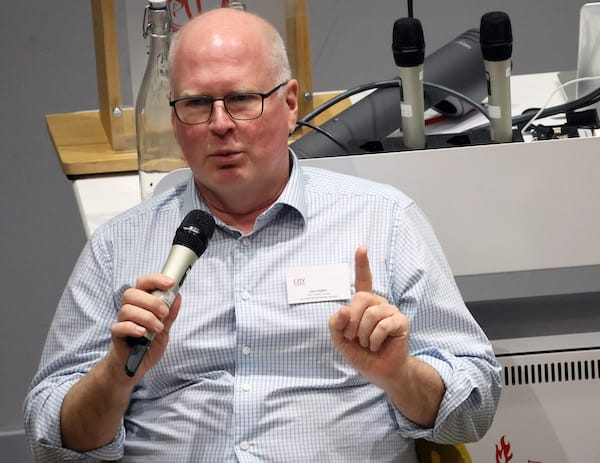
Investigative journalist Dave Seglins used to be as hard-nosed a reporter as you will come across. He relished the toughest stories from courtrooms. But there was one "horrible" case - he didn’t provide details of it - that changed everything.
Mediastrong
Fast-forward to the pandemic five years ago. There was a child killing story he refused to cover - a first in his career - to protect his mental health. But attempts to establish boundaries were refused at the time by his bosses at CBC.
The group grew from 20 to a network of 70 trained staffers volunteering up to three hours a month. It’s gaining industry- and country-wide traction with the Canadian Association of Journalists.
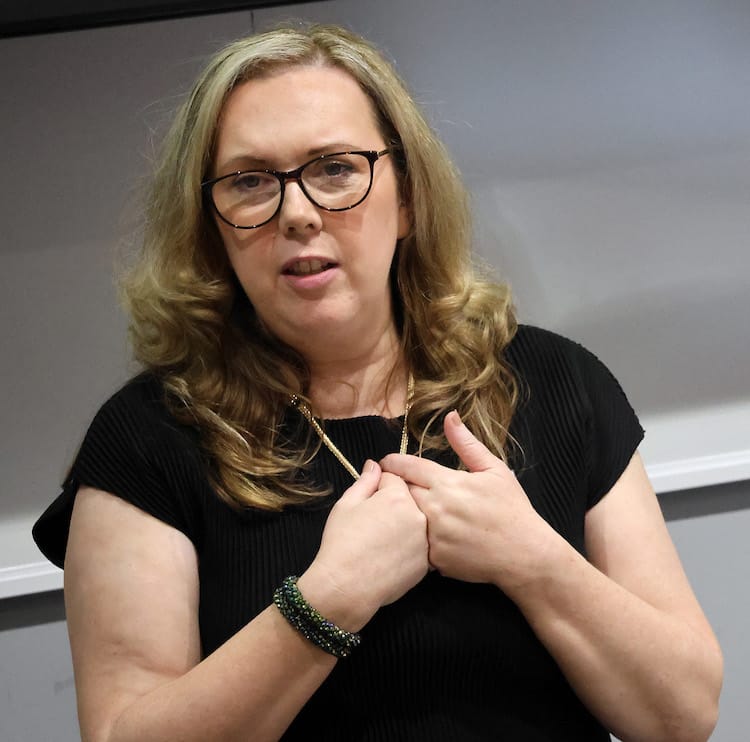
Natalie Graham is a BBC South East lead presenter, and she is also the broadcaster's peer support network co-ordinator.
She recognised that the pandemic has had a significant and longer-term impact on journalists' mental health. The arrival of remote working as a more common fixture has meant journalists remain in high-pressure jobs, but without their usual release valves. They have less control over their hours and the remit of their work.
"Having people who can listen and acknowledge problems has been a game-changer," she remarks.
The average journalist is also susceptible to online trolls and abusers, particularly when big stories drop, says Jon Laurence, supervising executive producer at AJ+. Newsrooms managers especially need to be on top of doxxing protective measures, which can have a significant knock-on effect on their safety and mental state.
There's been a resounding call in recent years: be vulnerable and have honest and open conversations. Without this, mental health risks remain a taboo topic, fading out of the industry narrative, or becoming an intangible topic without substance or consequence.
Vulnerability is needed. There’s few better examples of this than Hannah Storm, who shared her experience of PTSD stemming from sexual abuse on the job in front of the Society of Editors - a room of the most influential and important people working in journalism.
These strong industry figures will always be needed. Their bravery helps others to come forward, expose harmful narratives and work towards concrete solutions.
Mediastrong
Leona O’Neill - the founder of Mediastrong, who was a stalwart court reporter before witnessing the murder of a colleague - is championing a mental health charter, now with the buy-in of many UK and Irish newsrooms and has gained support from politicians at events at Stormont and Westminster this year.
It’s a visible commitment that employers have the backs of their journalists and are taking it seriously.
James Scurry - Sky News senior producer and Safely Held Spaces co-founder - has been running a global pilot programme, Delving Deeper Into Stories, with leading organisations like the BBC, Sky News, and Reuters, in response to the lack of trauma-informed approaches in mental health and clinical language reporting.
The programme showed promising, early results in reporting more accurately, sensitively, and ethically on complex mental health stories. He is set to roll out bespoke newsroom trainings across the UK next year, which you can be part of by emailing him.
City, University of London is developing a journalism ethics tool - not yet available for public release - to guide journalists dropping into overseas conflict zones, because research from the Reuters Institute found a diminishing commitment to following industry ethical codes in favour of their own judgement.
"It’s a tool not a rule,” says Lea Hellmueller, reader, journalism department, City University. "It gives them structure in the decision-making process."
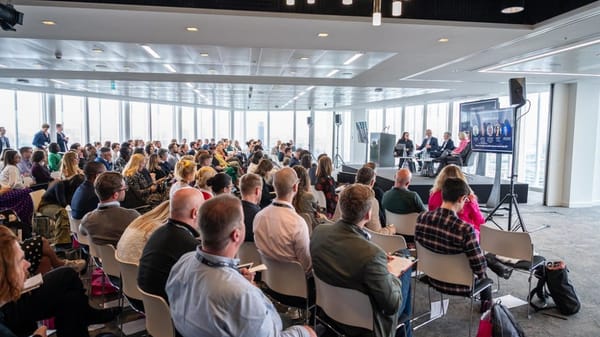
Even the simple fact that 100+ journalists and news professionals gather in one space to talk about mental health is a sign that the conversation is snowballing.
"It would have been laughable 10 years ago to go and talk about peer-to-peer networks at a journalism conference," Seglins sums it up.