Publishers have spent years chasing clicks, optimising for reaction and borrowing social media's playbook. An exclusive media roundtable revealed an uncomfortable question: have we been measuring the wrong thing all along?
Andrew Webb, founder of Connectopia. Copyright: Mark Hakansson / Connectopia
Since the invention of newsroom metrics, "audience engagement" has become a buzzword that everyone is "optimising for." Very few newsroom leaders bother to pause and clarify what it actually means.
At a roundtable event organised by media tech consultancy Connectopia yesterday, 20 bright minds from the news and media tech industries gathered to try and do just that. The event was held under Chatham House Rules. We're sharing the sharpest insights with you here.
On the surface, the definition of "engagement" seems obvious. Clicks, time spent, shares, comments – the metrics that fill dashboards and drive editorial decisions.
But what drives it? When you look closer, you realise that the most successful driver of clicks, comments and shares is anger. Negative reactions generally outnumber the positive ones; people react when they're outraged. They share when something infuriates them. That's engagement, technically. But is it the kind of relationship with an audience that journalism should pursue or be proud of?
That tension between what engagement is and what it should be was at the heart of the conversation.
We borrowed the wrong rulebook
One of the key observations made was this: before the internet, nobody tracked engagement. People bought the paper. They read it (or not). That was that. The whole concept of engagement as we understand it today came from social media, and somewhere along the way, publishers started measuring themselves by social media's logic.
The problem is that social media optimises for reaction, not for understanding. And news organisations, by chasing those same signals, may have devalued their products. As one participant put it plainly: readers don't care whether they saw a story three seconds before anyone else. Speed and volume are not the same as value.
The worry isn't just philosophical. By trying too hard to play the social media game, journalism has lost sight of its deeper purpose, which is helping people make sense of difficult, complicated times. That's a different task entirely from keeping someone on a page for forty-five seconds.
What AI has changed - and what it hasn't If engagement is hard to define, it's also becoming harder to measure well. And this is where AI enters the picture, in ways both practical and profound.
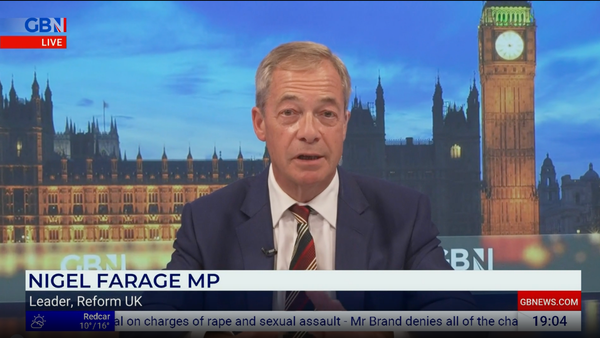
Screenshot: Reform UK's leader Nigel Farage hosting his show on GB News
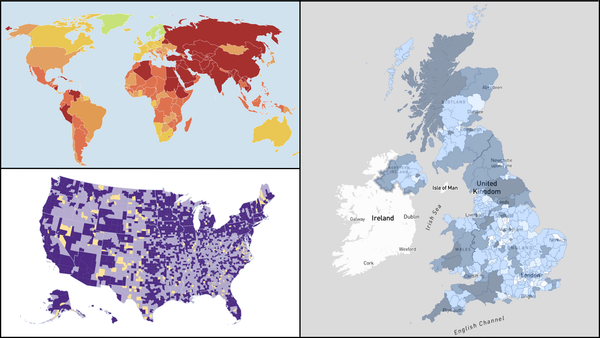
Screenshots of Reporters Without Borders Press Freedom Index (top left), Northwestern Local News Landscape (bottom left) and Public Interest News Foundation Local News Map (right)